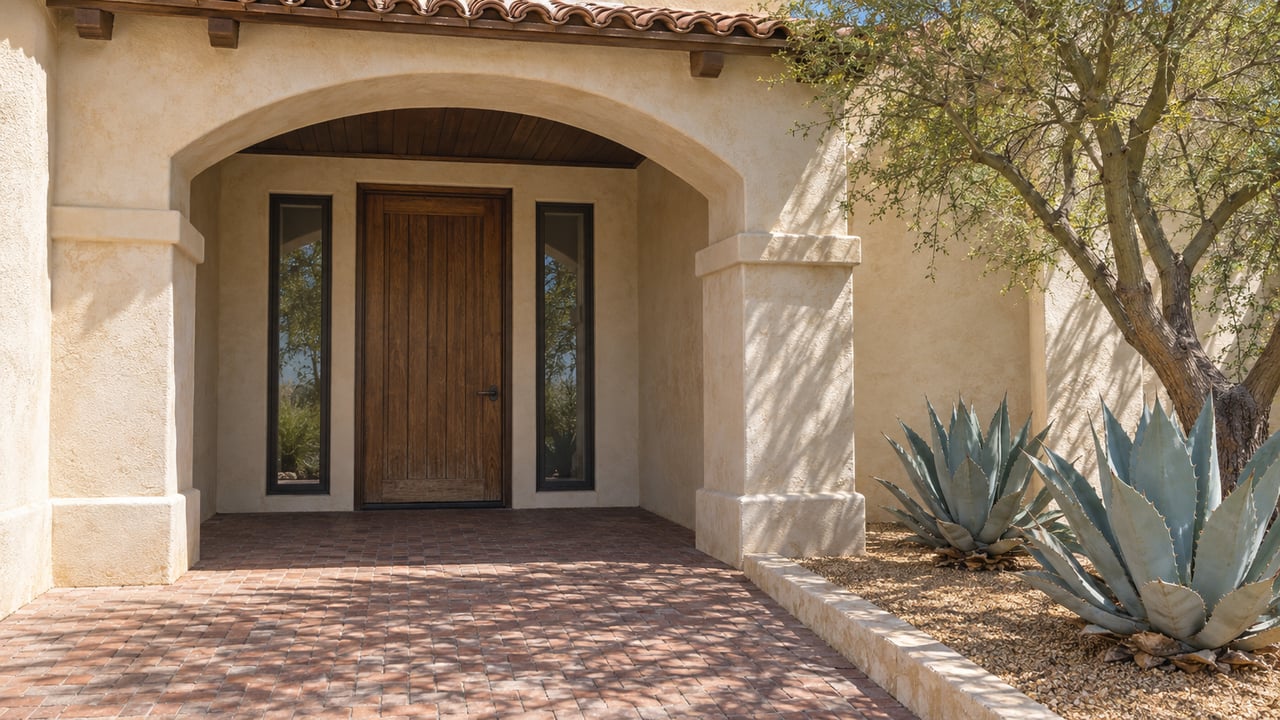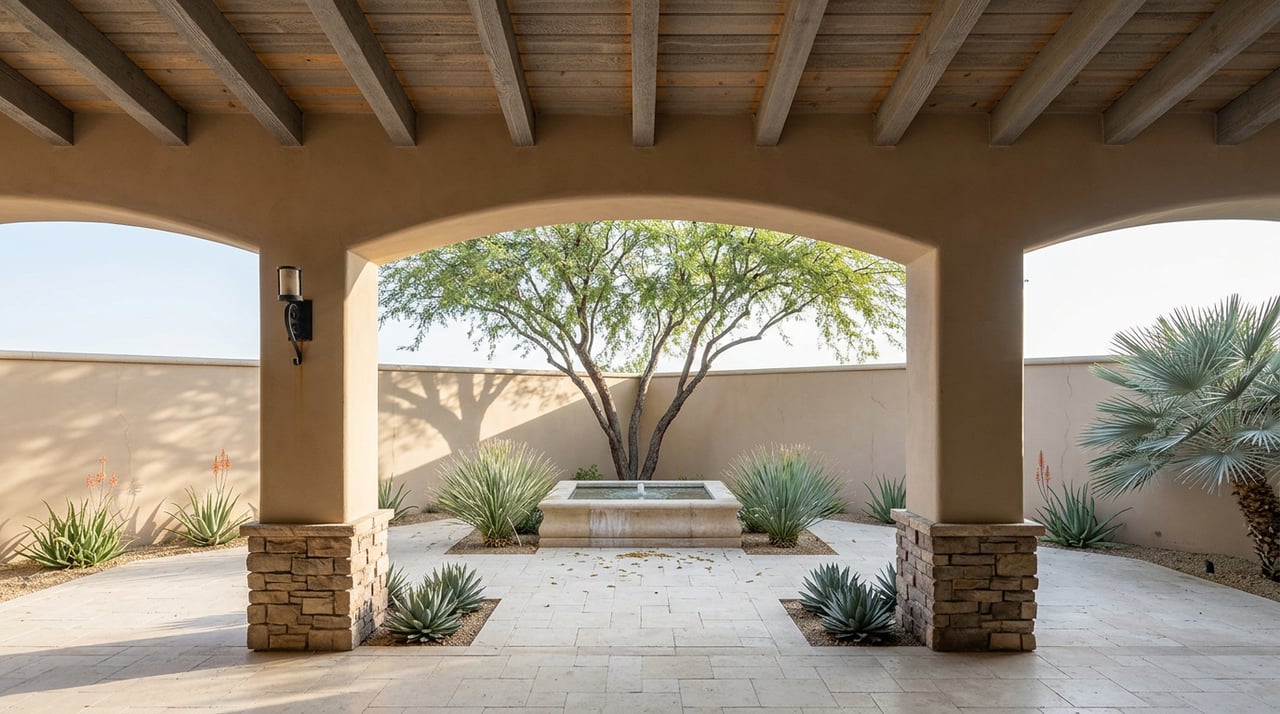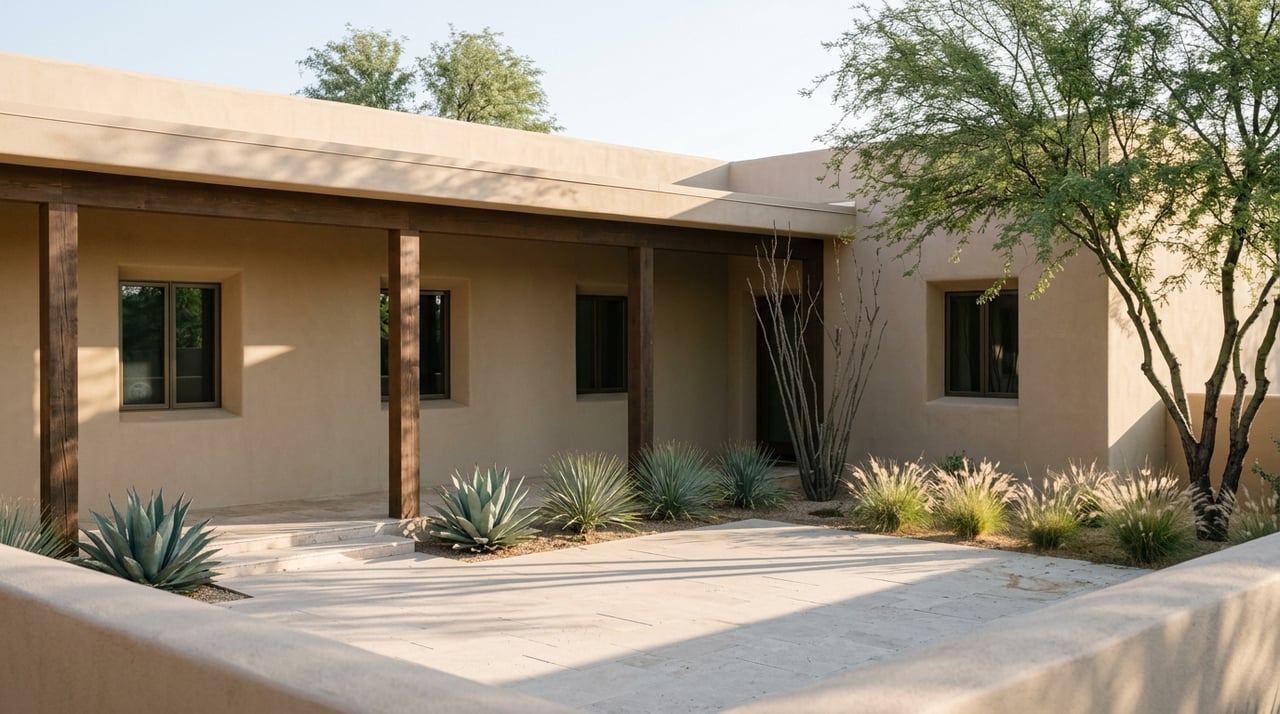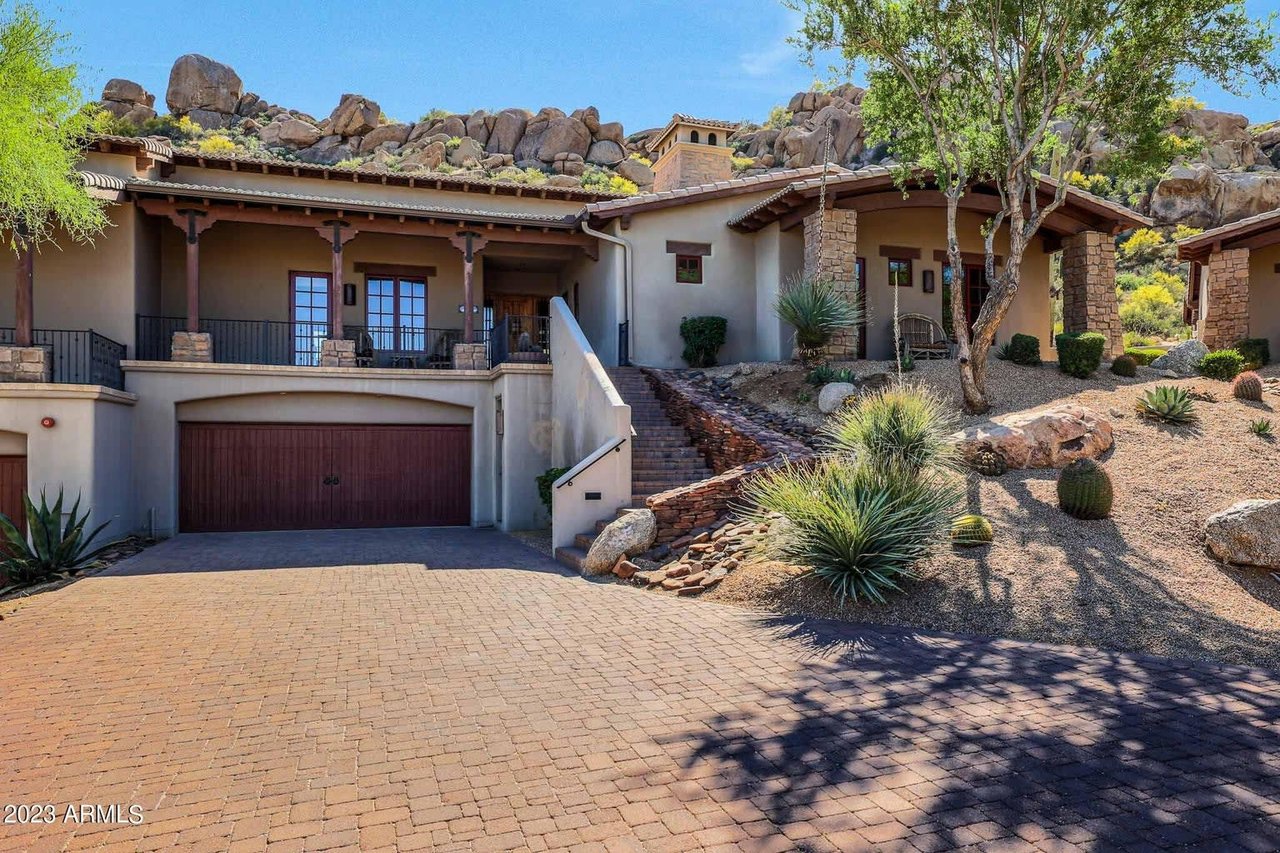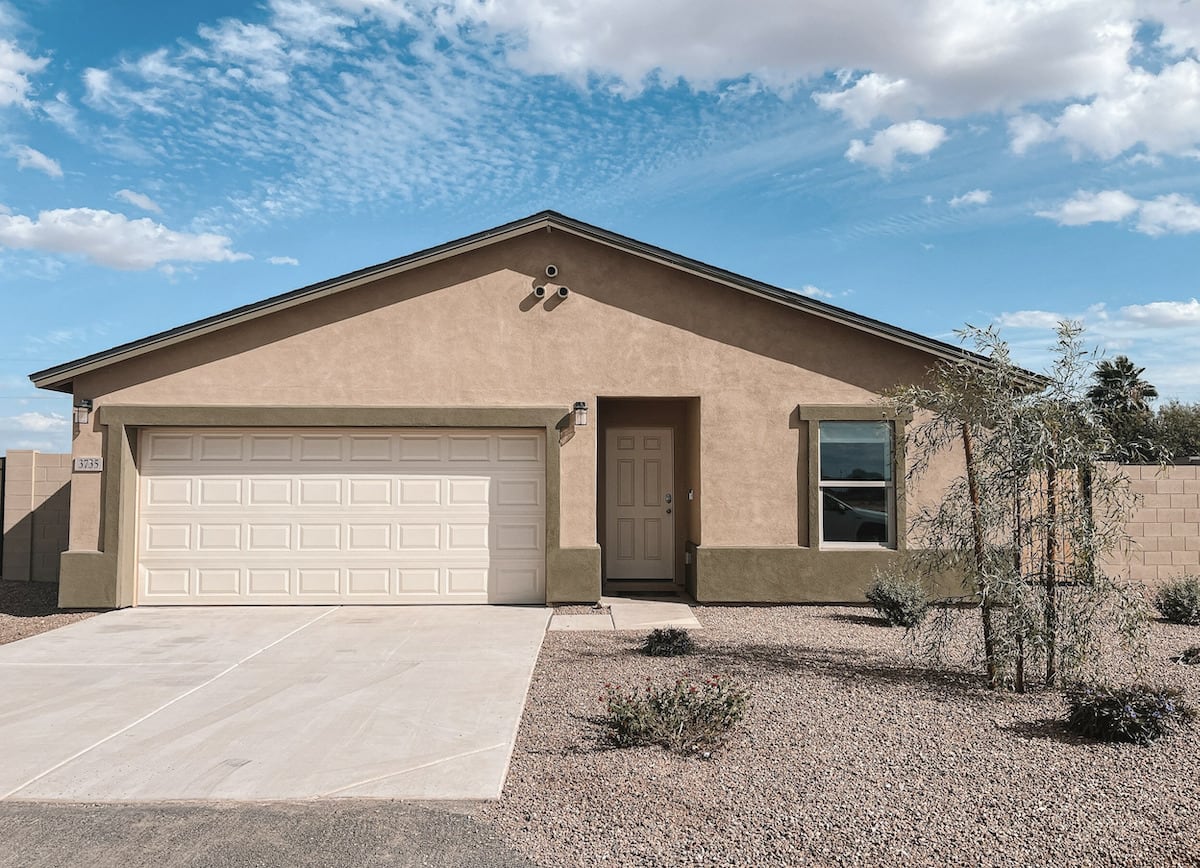
An informed perspective on property taxes, homeowner benefits, and what to consider when purchasing or owning a home in Phoenix, Scottsdale, and Paradise Valley.
Arizona continues to attract buyers seeking exceptional homes, resort-style living, and a favorable ownership environment. For those relocating from other states or purchasing a seasonal residence, understanding Arizona's property tax structure is an important part of evaluating the overall investment.
Unlike many states, Arizona calculates residential property taxes using a valuation system designed to limit annual increases. Whether you're considering a luxury estate in Paradise Valley, a golf property in North Scottsdale, or a seasonal second home, knowing how these taxes are assessed can help you make more informed ownership decisions.
At Merritt Estates, we believe understanding the financial considerations of luxury homeownership is just as important as finding the right property.
Arizona Property Taxes at a Glance
Here are a few important details every prospective homeowner should understand:
Residential assessment: Arizona generally assesses Class 3 and Class 4 residential property at 10% of its Limited Property Value (LPV).
Annual valuation protection: For most existing properties, the LPV is limited to a 5% annual increase, even during periods of significant market appreciation.
Payment schedule: Maricopa County property taxes are generally payable in two installments, with due dates of October 1 and March 1.
Primary residence benefits: Qualifying owner-occupied homes may receive state-funded school tax assistance, while eligible senior homeowners may qualify for additional valuation protections.
How Arizona Determines Property Taxes
One of the more distinctive aspects of Arizona real estate ownership is that property taxes are not calculated directly from a home's current market value or recent sales price.
Instead, the Maricopa County Assessor establishes two separate values: the Full Cash Value (FCV), which generally reflects market value for residential property, and the Limited Property Value (LPV), which serves as the basis for calculating primary property taxes.
For residential properties assessed at 10%, a home with a Limited Property Value of $600,000 would have an assessed value of $60,000. Applicable tax rates are then used to determine the primary property tax obligation. Secondary taxes may be calculated using the Full Cash Value.
Arizona's Proposition 117 provides an additional measure of predictability by generally limiting annual LPV increases to 5%, subject to statutory exceptions.
For owners in established luxury communities throughout Scottsdale, Paradise Valley, and Phoenix, this structure can provide greater consistency in annual ownership expenses, particularly when market values experience significant appreciation.
What Influences Your Property Tax Bill?
Several factors contribute to the final amount:
County valuations: The Assessor establishes the property's Full Cash Value and Limited Property Value.
Property classification: Residential property is generally assessed at 10%, although the property's use and classification matter.
Local taxing jurisdictions: School districts, municipalities, county services, and other applicable districts contribute to the combined tax rate.
Property location: Two similarly priced homes in different Scottsdale or Phoenix neighborhoods may have different annual property tax obligations.
Because tax districts and property classifications vary, reviewing the actual tax history of a home is essential when comparing properties.
When Are Arizona Property Taxes Due?
Arizona property taxes are generally paid in two installments each year.
FIRST INSTALLMENT
October 1
Delinquent after November 1
SECOND INSTALLMENT
March 1
Delinquent after May 1
Applicable weekend and holiday rules may extend delinquency dates. Certain smaller tax bills may be payable in one installment.
For homeowners with a mortgage, property taxes are often included in monthly escrow payments. Cash buyers, including many luxury and seasonal homeowners, typically manage these payments directly.
For buyers purchasing a second home or investment property, it's especially important to review the current tax classification, any outstanding special assessments, and the property's tax history before closing.
A consideration for luxury buyers: A property's purchase price does not automatically become its new taxable value. However, new construction, significant improvements, changes in property use, or certain changes to the parcel can affect future valuations and tax obligations.
Tax Benefits and Protections Available to Arizona Homeowners
Arizona offers several programs designed to provide tax relief to qualifying property owners. Eligibility depends on factors such as residency, income, age, disability status, and property classification.
Primary Residence Tax Assistance
Arizona provides a state-funded homeowner assistance program that reduces qualifying school district property taxes on eligible primary residences, subject to statutory limits.
Because this benefit generally applies to owner-occupied primary residences, owners of seasonal homes and investment properties should not assume their properties qualify.
Confirming the property's classification with the Maricopa County Assessor is an important part of understanding the available benefits.
Senior Property Valuation Protection
Arizona's Senior Property Valuation Protection Program, often referred to as the Senior Freeze, offers qualifying homeowners age 65 and older the opportunity to stabilize their Limited Property Value for a three-year period.
Eligibility includes income, residency, and ownership requirements, and an approved application must be renewed to continue protection beyond the initial period.
This program can be particularly valuable for longtime Arizona residents seeking greater predictability in their property-related expenses.
Additional Exemptions
Certain homeowners may also qualify for property tax exemptions or reductions, including eligible disabled veterans, surviving spouses, and individuals with qualifying disabilities.
Each program has its own application requirements and eligibility standards.
Can You Appeal Your Property Tax Valuation?
Yes. Arizona property owners have the opportunity to challenge their valuation if they believe the county's assessment is inaccurate.
The Maricopa County Assessor issues an annual Notice of Valuation, generally in February, outlining the property's Full Cash Value, Limited Property Value, and classification for the upcoming tax year.
Property owners generally have 60 days from the notice date to file an administrative appeal with the Assessor.
Supporting information may include comparable property sales, relevant property characteristics, documentation of condition, or errors in the county's records.
If the initial review does not resolve the matter, additional appeal options may be available through the appropriate county or state appeal process.
For owners of distinctive luxury estates, where properties often differ substantially in lot size, views, architecture, amenities, and location, reviewing valuation details can be particularly worthwhile.
Frequently Asked Questions
Will my property taxes automatically increase when I purchase a home in Arizona?
Not necessarily. A sale does not, by itself, reset the Limited Property Value to the purchase price. However, changes in property classification, improvements, and other statutory valuation adjustments may affect future taxes. Buyers should review the property's tax history rather than relying solely on the seller's current bill.
Where can I review property taxes for a Phoenix or Scottsdale home?
The Maricopa County Assessor provides online property valuation and classification records, while the Maricopa County Treasurer maintains tax billing and payment information. Both resources can be searched using a property address or parcel number.
Are Arizona property taxes generally lower than in other states?
Arizona's effective residential property tax rates are generally below the national average. For buyers relocating from higher-tax markets, this can be an attractive component of the overall cost of ownership. Actual savings depend on the property's value, location, classification, and applicable taxing districts.
Are property taxes different for seasonal and second homes?
The underlying valuation process is similar, but primary residences may qualify for benefits unavailable to seasonal or investment properties. Buyers should verify how a property is classified and whether its intended use could affect future tax obligations.
Do luxury properties in gated or golf communities have additional taxes?
Depending on the community, a property may be subject to special taxing districts or assessments. HOA dues, private club memberships, and golf membership fees are generally separate from county property taxes. Understanding each expense provides a more complete picture of ownership.
The Merritt Estates Perspective
Exceptional Properties. Informed Ownership.
For those purchasing or maintaining a luxury estate, seasonal residence, or property within Arizona's premier golf and resort communities, the true cost of ownership extends beyond the purchase price.
Property taxes, community assessments, and ongoing ownership considerations are all part of making a thoughtful real estate decision. For information
At Merritt Estates, our intentionally boutique approach is centered on the distinct needs of luxury estate and second-home owners. We provide focused market knowledge, personal representation, and an understanding of the communities and lifestyles that define Arizona's exceptional properties.
Considering a purchase, sale, or reassessment of your Arizona property?
We welcome the opportunity to share our perspective on the market and help you explore your options.
Disclaimer: The information provided is for general informational purposes only. For current property tax assessments, valuations, and applicable guidelines, please visit the Maricopa County Assessor’s Office for official information.